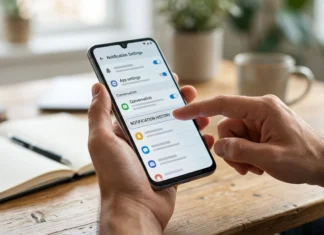
It is clear that no one wishes to handle multiple devices or to be hindered by unnecessary complexities in accomplishing their task. This is where Bring Your Own Device (BYOD) policies serve as a practical and efficient solution, given the right software vendors on their side. They provide the flexibility, reduce hardware costs, and let working people use devices in which they are comfortable.
However, personal devices can be difficult to manage and are often not regularly updated with security patches. These devices could be weaponised to host work apps, or to visit a web page, social media, and so forth-even gaming. Mixing the two introduces great risk from a security perspective..
So, how can organisations strike the right balance between flexibility and security?
This is precisely where Zero Trust Network Access (ZTNA) becomes essential.
Why BYOD Is a Challenge
Traditional security was not built for use with personal devices. Granting broad or unrestricted access, as is common with traditional VPNs, can significantly increase the attack surface and risk exposure. The firewall cannot examine traffic from devices it does not manage. Standardisation of security controls for every personal device is not feasible as the approach is unsustainable and requires an enormous amount of resources to put into execution..
It becomes risky in case your teams handle sensitive data or use internal applications or are moving fairly fast within networks home network, an office network, or a café WiFi.
The Modern Solution: ZTNA
In the past, resources were accessed through L2 access mechanisms based on some trust assumption about the device itself. The modern approach to solving this problem is to replace device-based trust with continuous verification and highly restrictive access controls.
-It inspects every access request
-It checks the identities of users and what device is being operated, and if the device was secured
-It allows access either to certain applications or data-but never to the whole network
-Keeps on tracking activities in case suspicious actions start to surface
Thus, access from a personal device will be carefully controlled and relatively constrained in ZTNA, according to the least access required to perform the job.
How ZTNA Makes BYOD Work
What ZTNA means for securing a practical BYOD environment:
No Full Network Access
Personal devices are used for many functions,and are never allowed unconstrained access to the network. ZTNA can restrict the device from connecting only to those services or applications that it is authorised to use.
Granular Policies
Policies can be set based on user, device type, location, time of access, etc. For example, a contractor’s tablet will only have open access to one single dashboard, whereas a full-time employee’s laptop will have limited access only during work hours.
Minimal Download Experience
Many of the ZTNA solutions are in the cloud, avoiding the necessity of heavy-duty downloads on behalf of a user’s device.
Built-in Monitoring
ZTNAs proactively monitor usage in real time; when suspicious activity occurs software jailbreak or session, this kind of access is immediately suspended.
Conclusion
BYOD is a well-known concept these days, for good reason; it is less costly, and the workers truly appreciate it. Otherwise, if left unprotected, it becomes a threat to the corporation. It is ZTNA that fills that space so that the corporate data and systems stay in secure hands while one works on a device of their choice.
The whole concept is not about shutting all down, but rather about granting access to those who ought to have it through the appropriate procedure.
Want to know about ‘Python for DevOps: Automating Infrastructure with Python Tools ‘? Check out our ‘AI Tech‘ category.
Mixing personal devices with work data introduces great risk from a security perspective. Read More: The Popularity of Promotional Water Bottles as a Security Risk, especially in BYOD scenarios.
Mixing personal devices with work data can introduce great risk from a security perspective. Read More: Boosting Twitter Followers, or learn how ZTNA supports secure access for Bring Your Own Device (BYOD) policies.
Mixing personal devices with work data introduces great risk from a security perspective. Read More: Boosting Twitter Followers, or learn how ZTNA supports secure access for BYOD policies here: