

Clutter accumulates in disorganized and dirty environments, and the same applies to your computer. The longer you use your PC, the more unnecessary files accumulate, which can slow down its performance.
Junk files can significantly impact the speed and efficiency of devices, especially those with traditional hard drives (HDDs). Regularly cleaning these files can substantially improve your PC’s performance. Windows 10 provides built-in tools to remove most junk files, and for those that remain, you can clean them manually. In this guide, we’ll walk you through the most effective ways to clean junk files from your Windows 10 computer.
Why is Cleaning Junk Files Important on Windows 10?
Junk files offer no benefits and can complicate system management. On devices with smaller SSDs, accumulated junk can cause storage shortages and degrade performance. Removing unnecessary files keeps your files and folders organized, frees up valuable storage space, and enhances system speed by eliminating useless data clogging your PC.
Common Types of Junk Files on a Computer
Junk files on your PC can originate from various sources, like leftover files from uninstalled applications or old photos you’ve long forgotten. Here are some prevalent categories of junk files:
- Recycle Bin Files: Deleted files remain in the Recycle Bin, consuming storage unless permanently removed.
- Temporary Files: Created for short-term use and often safe to delete once their task is complete.
- Software and Windows Remnants: Uninstalling software can leave residual files that may interfere with system operations.
- Downloads Folder: This folder often contains outdated installers, images, videos, and other unnecessary files that accumulate over time.
Note: Thumbnail cache files are also classified as junk. However, deleting these can cause your system to regenerate them, which may temporarily slow down your PC, so it’s usually best to leave them intact unless needed.
Effective Methods to Remove Junk and Cache Files on Your PC
- Create a System Restore Point
Windows OS allows you to create a system restore point, enabling you to revert to a previous system state if needed, especially if you accidentally delete essential files. Before cleaning your PC, creating a restore point ensures you can recover valuable data if any issues arise.
- Clear the Recycle Bin:
The Recycle Bin stores all deleted files, offering a safety net for accidental deletions. However, if not emptied regularly, it can occupy significant storage space.
- Double-click the Recycle Bin icon on your desktop.
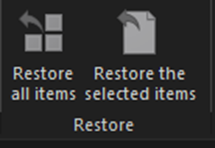
- Select files you want to restore, right-click, and choose “Restore.”
- To permanently remove files, click “Empty Recycle Bin.”

- Delete Temporary Files:
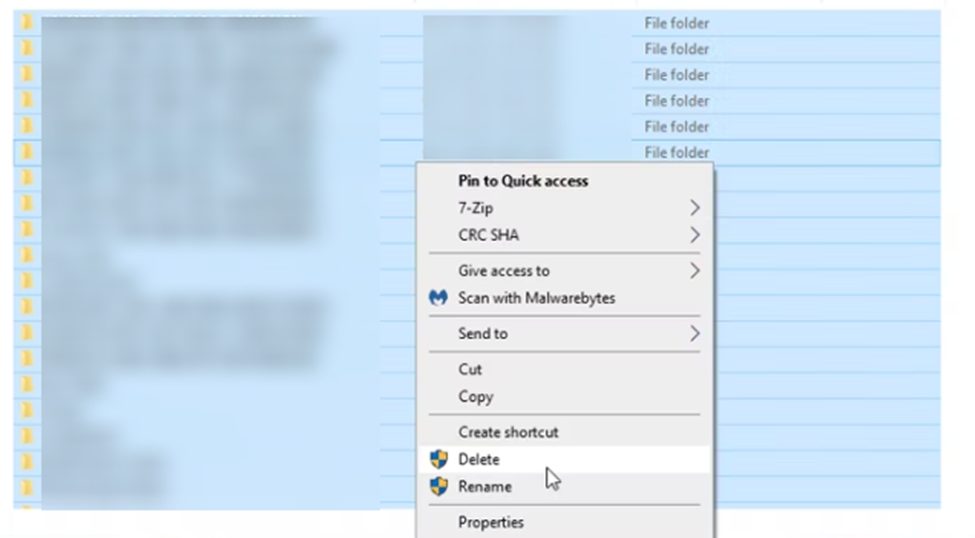
- Press Windows + R keys to open the Run dialog.
- Type
%temp%and press Enter. - Select all files and delete them.
- Use the Disk Cleanup Tool:
Disk Cleanup is a built-in Windows utility that helps remove unwanted files and free up disk space. It scans your selected drive and shows how much space you can recover.
- Type “Disk Cleanup” in the Windows search bar and open the app.
- Select the drive you want to clean (commonly C:) and click OK.
- After scanning, select the file types to delete.
- You can also click “Clean up system files” for more options, then click OK.
- Use Advanced System Optimizer
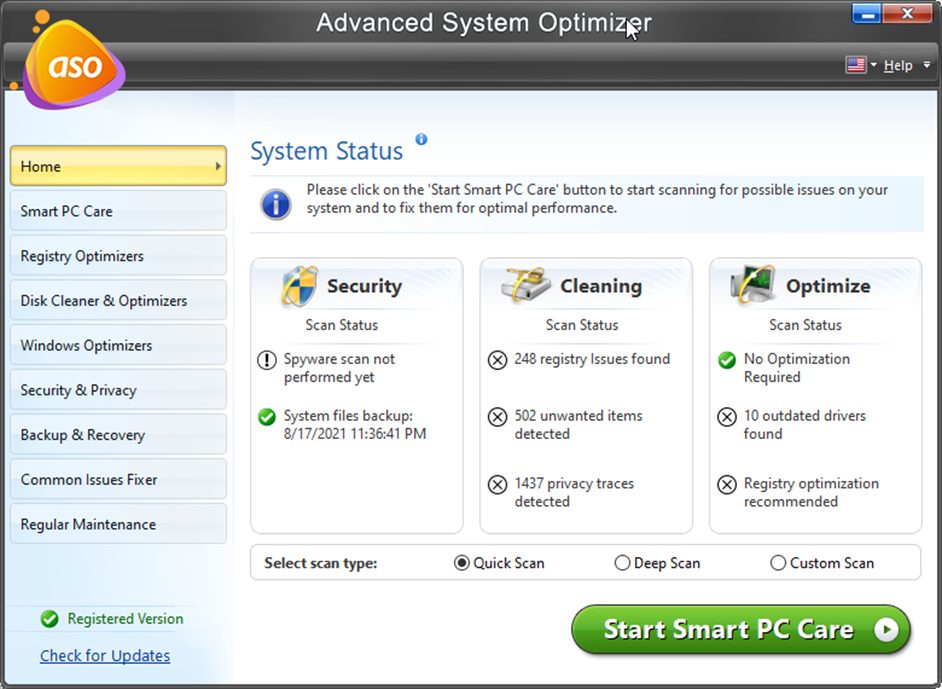
Advanced System Optimizer is a comprehensive utility designed to keep your computer running smoothly, secure, and free from junk files. It thoroughly scans for various issues, including junk files, registry errors, and privacy risks. However, note that the free version allows you to identify issues but requires upgrading to fix them.
Compared to similar tools, Advanced System Optimizer features a user-friendly interface with clearly categorized functions like Registry Optimizer and Windows Optimizer. Before cleaning, it automatically backs up system data and creates a restore point to protect your system.
This tool optimizes your hard drive, repairs the registry, updates drivers, removes unused files, and performs multiple maintenance tasks to boost overall PC performance and stability.
Additional Tips to Keep Your PC Junk-Free
Regular maintenance is key to preserving your PC’s speed and longevity. Besides the methods outlined above, consider uninstalling unused applications, limiting startup programs, and running antivirus scans to eliminate malware that can generate junk files. Scheduling periodic cleanups using built-in tools or trusted third-party software can automate this process and prevent junk accumulation. Keeping your operating system and drivers updated also ensures better performance and security, helping reduce residual junk and conflicts caused by outdated files. Consistent computer hygiene protects your device from sluggishness and storage issues over time.
Conclusion
In this article, we’ve explored several effective methods to clean junk files from your Windows 10 PC, from manual approaches like emptying the Recycle Bin and deleting temporary files to using tools such as Disk Cleanup and Advanced System Optimizer. This all-in-one PC optimizer breathes new life into your computer by clearing out unnecessary clutter, boosting performance, and enhancing system stability. Try these techniques and share your experience in the comments below to help others optimize their PCs efficiently.
Want to know about ‘How PPC management services‘? Check out our ‘Web Development‘ category.