




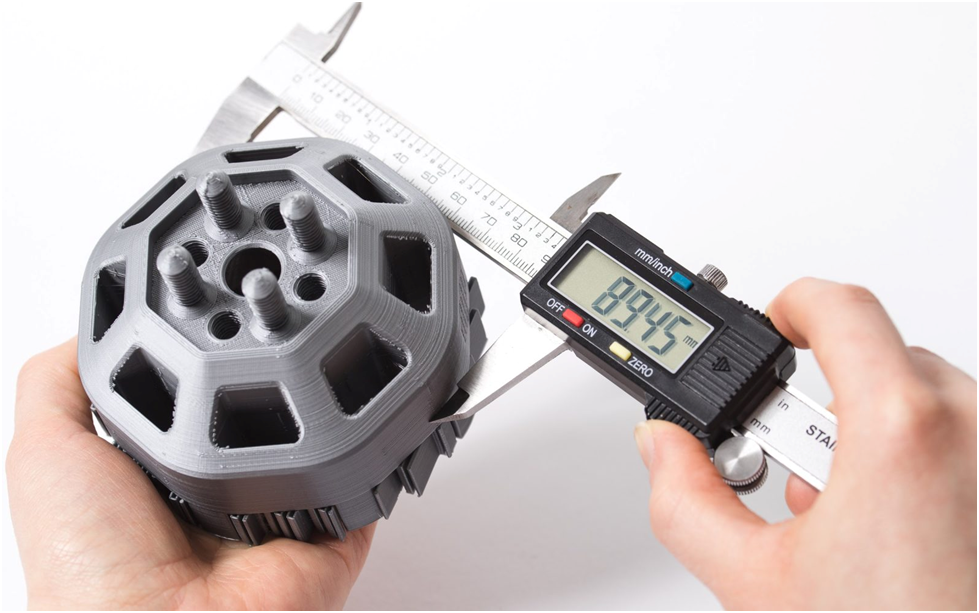
What is the accuracy of 3D printing? This is an essential question to address before integrating 3D printing technology into your business operations. Factors influencing accuracy include the specific 3D printing method employed, the printer’s model and quality, chosen printing materials, design complexity, and user-defined print settings.
Continue reading for a comprehensive overview of dimensional accuracy in 3D printed parts. This article examines the precision offered by various 3D printing technologies and shares practical strategies to enhance the accuracy of your printed components. To start, let’s explore the concept of dimensional accuracy in online 3D printing, understand the precision levels across different technologies, and review key factors affecting part accuracy.
Decoding Dimensional Accuracy
Dimensional accuracy in 3D printing refers to how closely a printed part matches the intended size and specifications of its original digital design. It measures the variance between the final printed component and the CAD model, typically expressed in millimeters (e.g., ±0.1 mm) or percentages (e.g., ±1%). The terms “accuracy” and “tolerance” are often used interchangeably, indicating acceptable deviations from the target dimensions. Customers usually specify acceptable tolerance levels based on the importance of the part’s features before the wholesale printing design service manufacturer begins production.
Gauging the Accuracy of the Most Popular 3D Printing Technologies
SLS (Selective Laser Sintering)
Selective Laser Sintering (SLS) uses a laser to fuse nylon or other powder particles layer by layer. SLS is known for high accuracy and exceptional ability to produce complex geometries without the need for support structures. Typical SLS printer accuracy is approximately ±0.3 mm, making it suitable for functional prototypes and end-use parts.
FDM (Fused Deposition Modeling)
Fused Deposition Modeling (FDM) is widely used for rapid prototyping and functional components. Industrial-grade FDM printers offer dimensional tolerances of around ±0.15% with a minimum feature size of 0.2 mm. It remains popular due to accessibility and cost-effectiveness.
Resin-based Printing (SLA & DLP)
Stereolithography (SLA) and Digital Light Processing (DLP) cure photosensitive resins using lasers or projectors. These technologies deliver highly precise prints, popular in professional and desktop environments. Desktop resin printers typically achieve accuracy of around ±0.1 mm, while professional-grade machines can reach an impressive ±0.01 mm.
Metal 3D Printing
Metal 3D printing often employs selective laser melting (SLM) or direct metal laser sintering (DMLS), where metal powders are melted and fused layer by layer. Thermal stresses can cause warping, making support structures and post-process stress relief necessary. Metal 3D prints typically exhibit dimensional tolerances around ±0.1 mm.
Material Jetting
Material Jetting deposits droplets of photopolymer in layers without using heat, minimizing distortions like warping. This method provides the highest accuracy, generally around ±0.05 mm, but remains less common due to equipment costs.

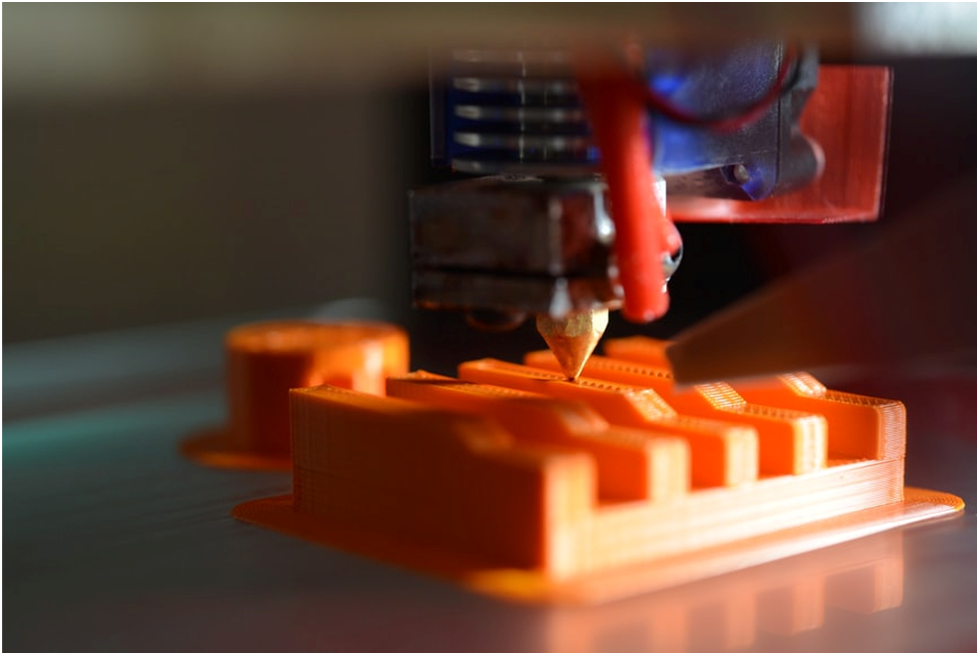
Factors Impacting Dimensional Accuracy
Printer Quality
The performance gap between budget and high-end 3D printers is significant. For example, although SLA printers generally outperform FDM in accuracy, a basic SLA machine may produce less precise parts compared to a feature-rich industrial FDM printer.
Material Selection
Some materials are inherently easier to print with high accuracy. Specialty materials like high-temperature filaments, flexible polymers, and precious metal alloys may sacrifice printability for unique properties, potentially reducing dimensional precision.
Component Design
Even top-tier printers struggle to accurately produce poorly designed parts. Features such as thin walls or unsupported overhangs can cause inaccuracies. Large parts and excessively fine details outside a printer’s resolution capability should be avoided or redesigned.
Warping and Shrinking
Warping and shrinkage are common deformation issues in 3D printing that negatively affect the final shape and dimensional fidelity of parts. Although often minor, minimizing these effects is crucial—especially for critical components—through proper print planning and material choice.
Printing Parameters
Adjusting printer settings and regularly calibrating your device can significantly improve accuracy. Slower print speeds may enhance dimensional fidelity, though overly reducing speed can introduce other printing issues.
Post-Processing Choices
Decisions made during post-production, such as cooling methods, cleaning, and support removal, can preserve or degrade dimensional accuracy. Proper handling ensures parts maintain their intended geometry and surface quality.
Quick Tips to Improve Dimensional Accuracy
Once you’ve selected the appropriate 3D printing technology, improve dimensional accuracy by following these tips:
- Regularly calibrate your 3D printer, especially before important jobs.
- Design parts with the printer’s capabilities in mind; simplify or remove overly complex features.
- Use support structures for unstable parts and carefully remove them to avoid damaging the print.
- Prefer standard materials less prone to warping unless specific properties necessitate alternatives.
- Utilize heated print beds or chambers (e.g., in SLS or Metal printing) to maintain consistent temperatures and reduce distortion.
- Optimize print speed and flow rates to balance between speed and precision.
Final Thoughts
Dimensional accuracy is vital in 3D printing, especially for prototypes and functional parts that require verification and fit testing. Minimizing errors ensures parts meet design intents and reduces costly reprints. For those in Australia seeking reliable 3D printing, searching “3D printing stores near me” will reveal numerous options across major cities such as Sydney and Adelaide. Partnering with professional 3D printing service providers guarantees access to advanced technologies and expertise that maximize the dimensional accuracy of your 3D printed components and prototypes.
Additionally, continual advancements in 3D printing hardware and materials are driving improvements in dimensional accuracy across industries. Innovations such as AI-driven print optimization, enhanced calibration routines, and novel composite materials enable manufacturers to push precision boundaries even further. Staying informed about the latest developments and investing in cutting-edge technology can offer a competitive edge, enhancing product quality while reducing production time and costs. Whether for rapid prototyping or end-use manufacturing, understanding and optimizing for dimensional accuracy unlocks the full potential of 3D printing.
Want to know about ‘know about Printing Technology‘? Check out our ‘AI Tech‘ category.