


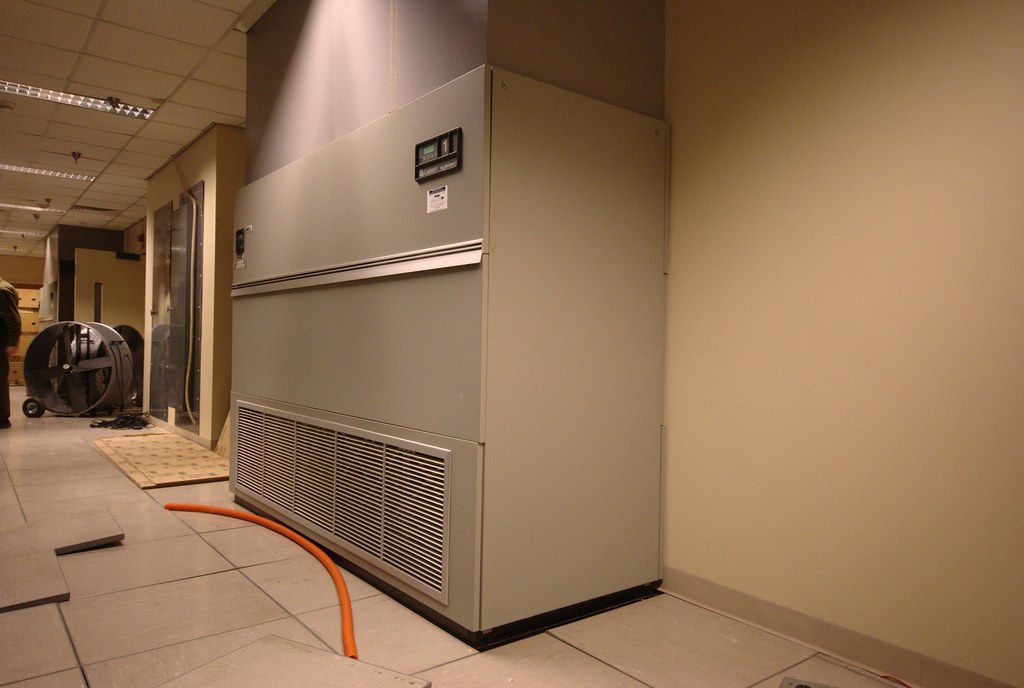
Computer room air handling unit systems have emerged as the invisible warriors in Singapore’s relentless fight against tropical heat, where the difference between technological triumph and catastrophic failure often comes down to a few degrees of temperature control. In a nation where the mercury rarely drops below 30°C and humidity hovers perpetually above 80%, these sophisticated climate control systems represent more than mere comfort—they are the guardians of economic prosperity in an age where digital infrastructure drives everything from banking transactions to life-saving medical procedures.
The Physics of Digital Survival
Singapore’s position one degree north of the equator creates a perfect storm of challenges for computer infrastructure. The relentless heat and crushing humidity that make the island a tropical paradise for tourists create a nightmare scenario for sensitive electronic equipment. Server rooms without proper climate control can reach temperatures exceeding 50°C within minutes, transforming million-dollar computing equipment into expensive paperweights.
The science is unforgiving. Every 10°C increase in temperature doubles the failure rate of electronic components. In Singapore’s climate, this means that inadequate cooling doesn’t just reduce performance—it’s a death sentence for critical systems. Modern processors operating at full capacity generate heat loads comparable to industrial furnaces, yet they must maintain operating temperatures that would feel cool to human touch.
When Systems Fail: The True Cost of Inadequate Cooling
The consequences of cooling system failures extend far beyond damaged equipment. In 2022, a major Singapore bank experienced a four-hour system outage when their primary air handling units failed during a particularly intense heat wave. The incident cost the institution over $8 million in lost transactions and regulatory penalties, whilst damaging customer confidence in ways that financial statements couldn’t capture.
Healthcare facilities face even starker realities. When cooling systems fail in hospital data centres, patient monitoring systems, electronic health records, and diagnostic equipment can all become unavailable simultaneously.
Understanding Modern Air Handling Technology
Computer room air handling unit technology has evolved dramatically to meet the demanding requirements of modern computing environments. These systems go far beyond traditional air conditioning, incorporating sophisticated controls and redundancies designed specifically for mission-critical applications.
Precision Environmental Control
Ensures temperature variations remain within ±1°C whilst maintaining humidity levels between 40-60% relative humidity. This precision prevents both overheating and condensation that could destroy sensitive components.
Redundant System Architecture
Incorporates multiple air handling units operating in parallel, ensuring that cooling capacity remains available even during maintenance or component failures.
Variable Speed Technology
Adapts cooling output to real-time heat loads, providing precise temperature control whilst minimising energy consumption. Advanced sensors continuously monitor conditions and adjust system performance accordingly.
Hot Spot Prevention
Uses sophisticated airflow management to eliminate temperature variations that could damage equipment or reduce performance in localised areas.
Critical Applications Across Singapore’s Digital Economy
The island nation’s position as a global financial and technology hub creates unique demands for reliable climate control:
- Banking Data Centres: Processing millions of daily transactions requiring absolute temperature stability
- Telecommunications Infrastructure: Network hubs supporting regional communications demanding 99.99% uptime
- Government Facilities: Critical systems supporting national security and public services
- Research Institutions: Supercomputing centres running complex climate and economic models
- Cloud Service Providers: Hosting applications for multinational corporations with global service commitments
- Manufacturing Control Systems: Automated production lines requiring precise environmental conditions
The Human Stories Behind the Technology
Dr. Michael Chen, chief technology officer at a major Singapore hospital, witnessed firsthand the critical importance of reliable cooling systems. During a particularly intense heat wave last summer, their backup air handling units prevented disaster when the primary cooling system experienced mechanical failure. “We had perhaps thirty minutes before our patient monitoring systems would have begun shutting down due to overheating,” he recalled. “Those backup systems didn’t just protect our equipment—they protected lives.”
As one senior Singapore data centre manager recently explained: “Computer room air handling unit reliability isn’t just about maintaining equipment—it’s about maintaining the trust that our entire digital economy depends on. When these systems fail, everything fails.”
Energy Efficiency in the Tropics
Singapore’s commitment to environmental sustainability adds complexity to cooling system design. Computer room air handling units typically consume 30-40% of total facility energy, making efficiency improvements essential for both environmental and economic reasons.
Free Cooling Technologies
Cooler outside air during overnight hours, though Singapore’s consistently warm climate limits opportunities compared to temperate regions.
Heat Recovery Systems
Capture waste heat for other facility requirements, though applications remain limited in Singapore’s warm climate where heating needs are minimal.
Advanced Control Algorithms
Use artificial intelligence to predict cooling loads and optimise system performance in real-time, achieving energy reductions of 15-25% whilst maintaining reliability.
Future Challenges and Innovations
Emerging technologies create new demands for sophisticated climate control. Artificial intelligence processors generate heat densities that challenge conventional cooling approaches. Quantum computing systems require temperature control approaching absolute zero, demanding entirely new technological approaches.
Edge computing deployments distribute heat loads across urban environments, requiring air handling systems that operate reliably in non-traditional facilities without dedicated maintenance staff. 5G network infrastructure creates thousands of small data centres throughout the city, each requiring reliable climate control.
Building Resilient Digital Infrastructure
Singapore’s success as a global technology hub depends increasingly on infrastructure that enables reliable computing in one of the world’s most challenging climates. Government initiatives supporting smart nation development create opportunities for innovative cooling solutions that set global standards.
The concentration of multinational technology companies provides a testing ground for next-generation climate control technologies. Lessons learned in Singapore’s extreme environment inform cooling system design worldwide.
As Singapore continues its transformation into a fully digital society, the reliability and efficiency of cooling infrastructure becomes increasingly critical. Organizations that invest strategically in advanced computer room air handling unit systems position themselves not merely to survive in the tropical heat, but to thrive whilst competitors struggle with the fundamental challenge of keeping their digital infrastructure operational.
Apart from that, if you want to know about The Future of Technology in the Packaging Industry then please visit our Space Tech category.
For those interested in capturing authentic moments at events, check out our guide: How to Capture Authentic Moments at Events